Roles:
Collaborators:
Platforms:
Level design, optimization
CEO, 3D & Environment Artists
Unreal Engine 5, Steam, Meta Quest
Beyond Sandbox is a multiplayer Virtual Reality shooter with intricate physics interactions at its core. Spearheaded by social media short-form content–which garnered millions of views and some of the highest wishlists of any VR title on Meta Quest–the Beyond Sandbox project was bootstrapped by a small group of passionate developers, artists, and designers hoping to fill a missing niche in the virtual reality gaming ecosystem. Beyond Sandbox released to the Meta Quest and Steam stores in April 2026, to much anticipation. I joined the team early in development to lead hands-on creation and optimization of several levels that would ship with Beyond Sandbox’s release on the Steam and Meta Quest stores.
The Scope vs Performance Challenge
Beyond Sandbox marketed itself as a game with expansive quality features: high quality graphics, intricate physics interactions, and expansive, open levels–all packaged to run on mobile Quest 3 hardware. Building environments that satisfied the gameplay and visual fidelity expectations while remaining performant was a daunting challenge.
For each level, I began by strategizing how the environment would be partitioned to avoid rendering the entire level at any particular time. This would greatly reduce draw calls and triangle counts, which were the primary performance constraints. For these levels, I needed to keep the rendering constraints within:
100
draw calls
|
750,000
triangles
|
3.5 Gb
memory
Once the detailed optimization work began, I implemented trade-offs across these three criteria to bring all within their limits. Some of the techniques I used which required careful balancing included:
Method
Mesh merge
Material merge
HLOD tiers
Pros
Lower draw calls due to fewer objects
Lower draw calls due to reduced material slots
Significantly lower draw calls from nested HLODs
Cons
More triangles due to less granular object culling
Time consuming, less performant materials from higher instructions
More triangles due to less precise object culling, significantly more texture memory due to many unique HLOD clusters
“HARDLINE”
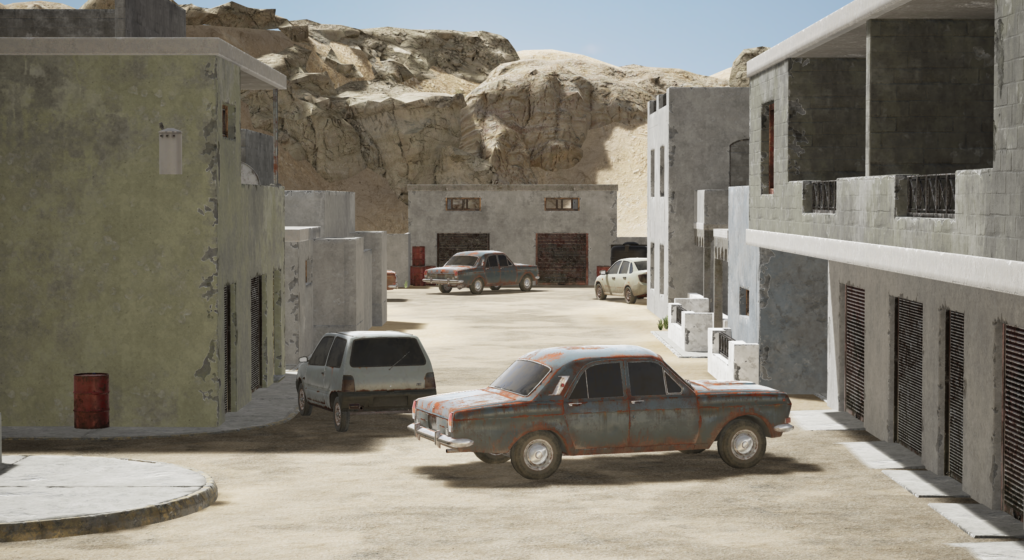
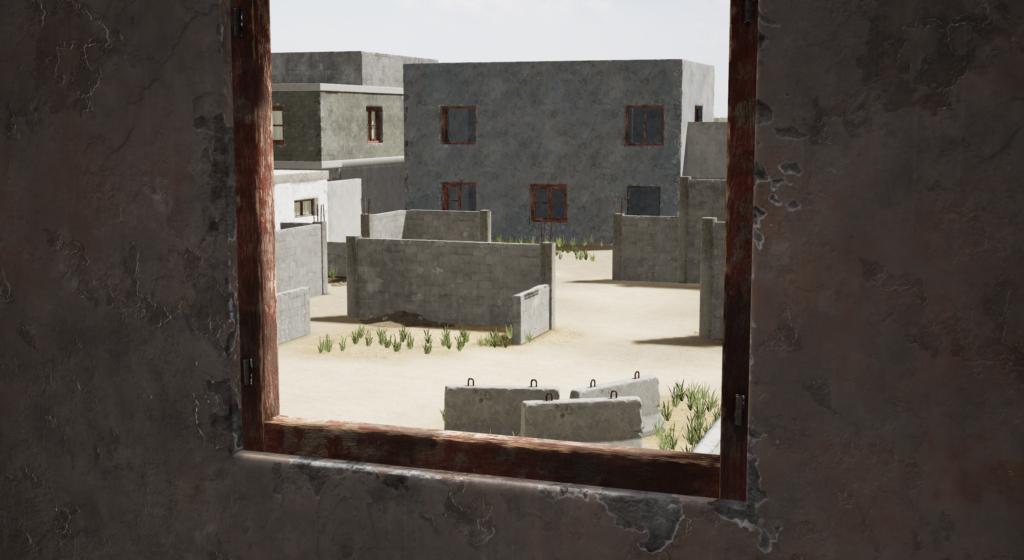
Hardline is a level that uses Beyond Sandbox’s territory capture game mode. One team advances and attacks while the other defends. Attackers must secure 3 zones in succession to win the game.
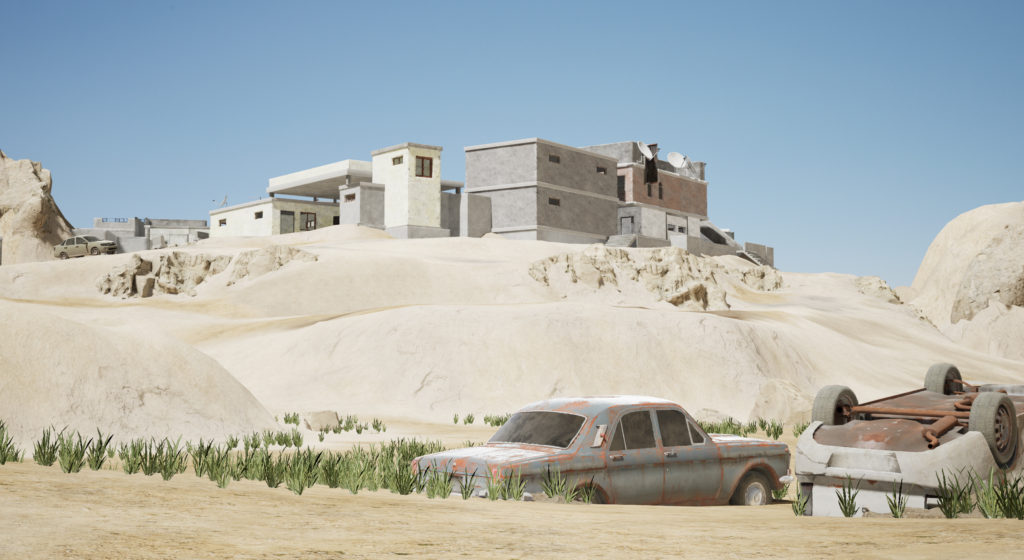
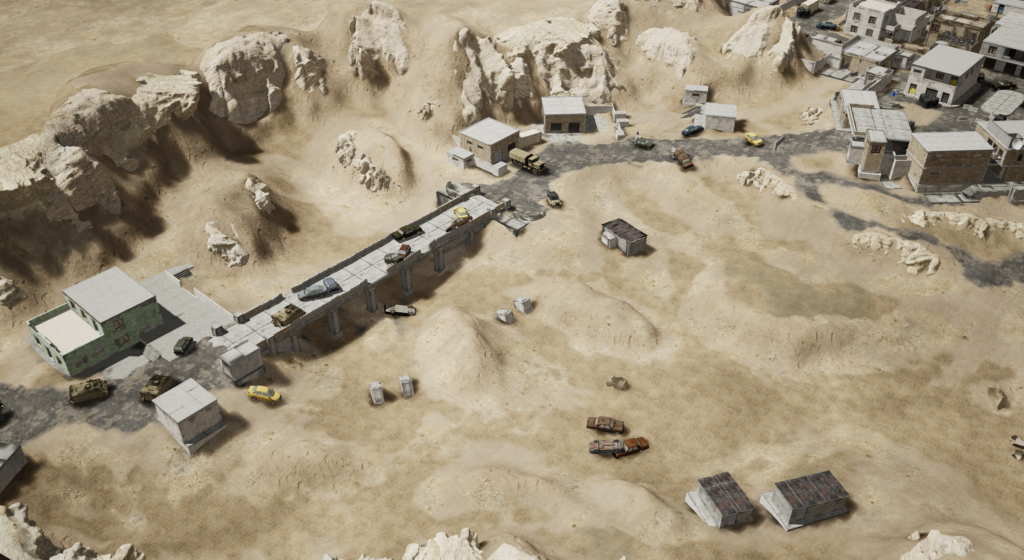
I designed this level so that each zone had its own distinct character to bring variety to the gameplay. Additionally, I wanted the attacking players to feel a sense of progress as they advanced. I did this through two main motifs: Players follow a road that winds through the level, and the elevation of each zone increases–with zone 3 located atop a plateau.
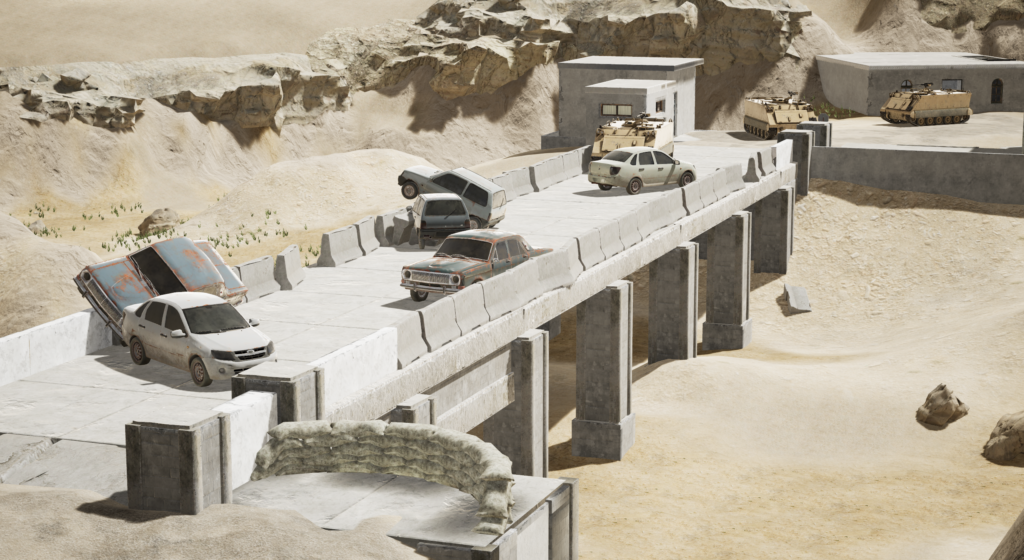
Zone 1: Bridge
Zone 2: Hill
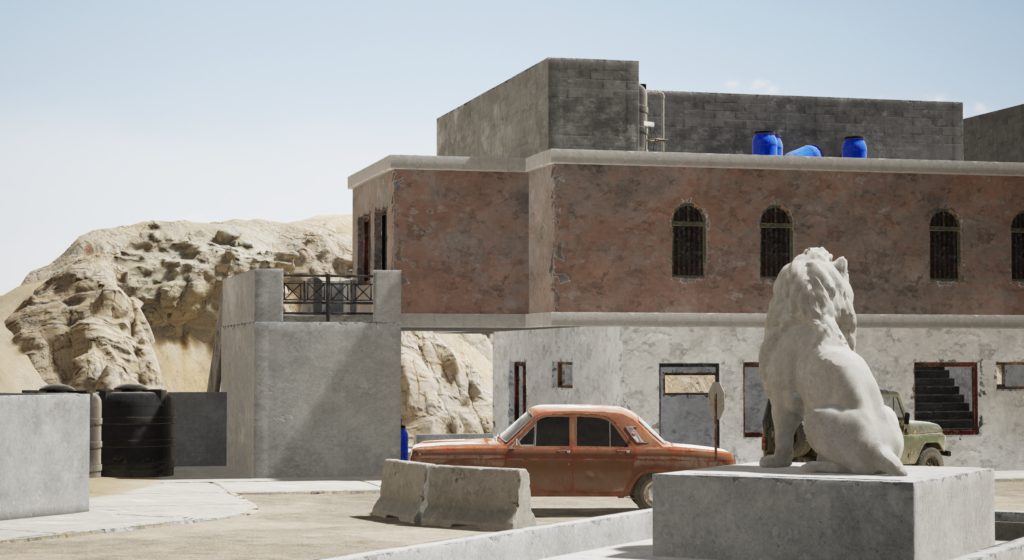
Zone 3: Courtyard
Attackers must secure a zone at the end of a long bridge. The bridge itself is the most direct route, but is more dangerous to cross. Players can also choose routes under and to the sides of the bridge.
A multi-story building overlooks the valley and road below. Attackers must choose one of three main routes to advance up the hill, each with its own advantageous positions or hazards.
A final courtyard is nestled in between a cluster of buildings and rooftops, accessed from the main road or by adjacent alleyways.
“DRAGON’S ISLE”
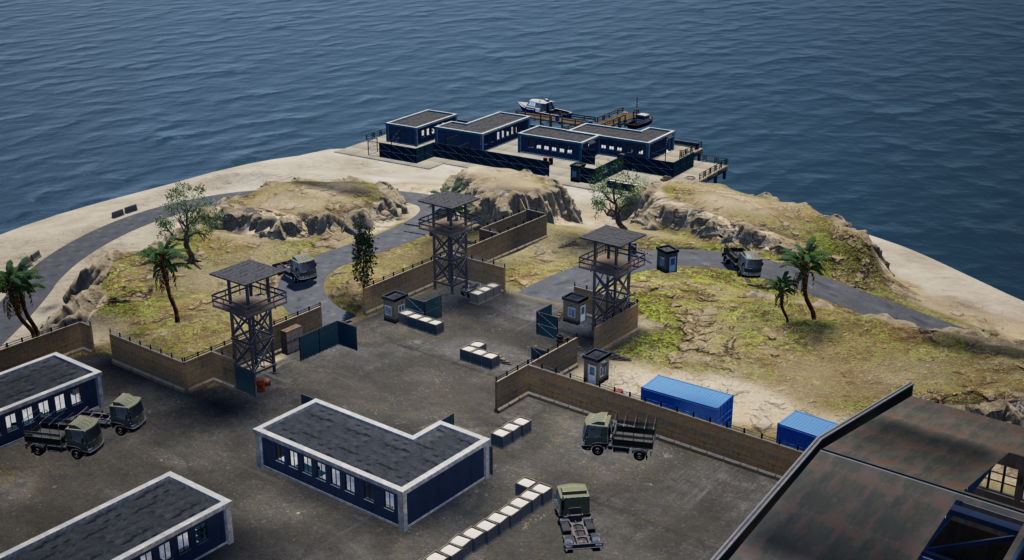
Dragons Isle uses the same territory capture game mode as Hardline. For this level, I wanted the player to feel a quaint sense of exploration–similar to the feeling one has when exploring an island. In this way, I designed the island to be broadly navigable by foot so that players could go off the main paths and discover additional places throughout. The design of the zones followed a similar thesis of making each zone characteristically unique.
Zone 1: Beach
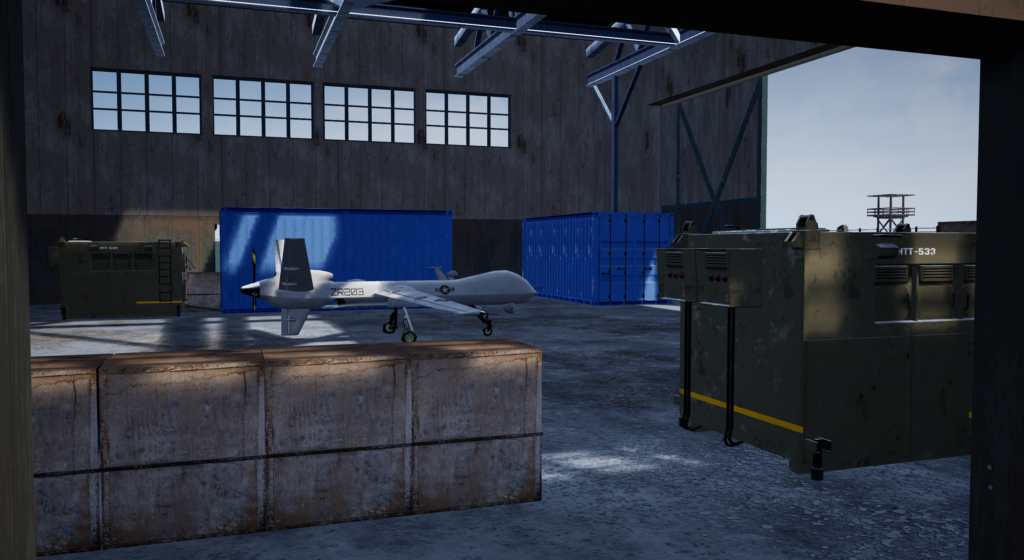
Zone 2: Runway
Zone 3: Secret Lair
Attackers run through sandy beaches and grasslands, making their way to the base’s front gate.
Attackers weave through the sprawling base compound and down the airstrip runway, seeking refuge inside a hanger.
A mountain at the rear of the island has been carved out in secret to contain a James-Bond-Villain type of facility, full of weapons and equipment.
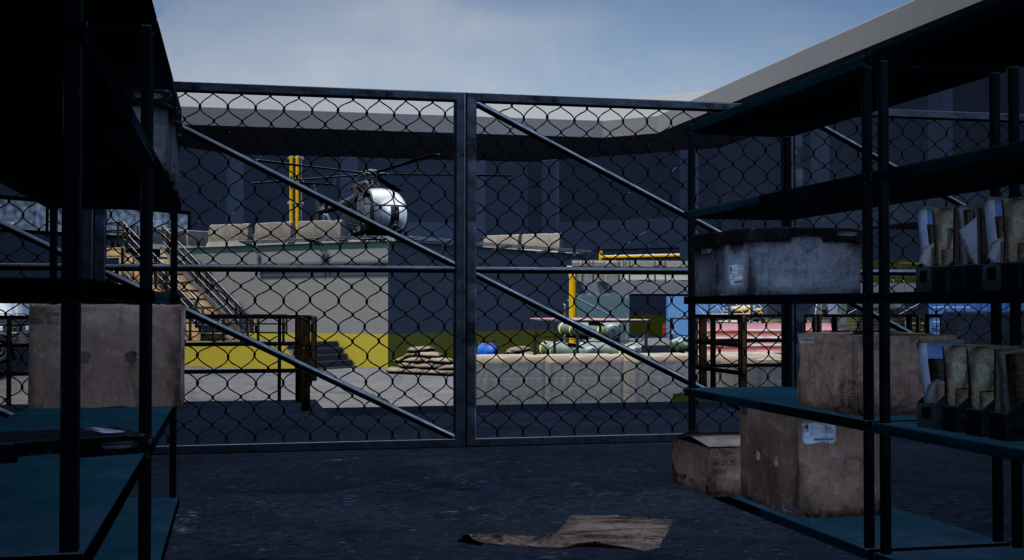
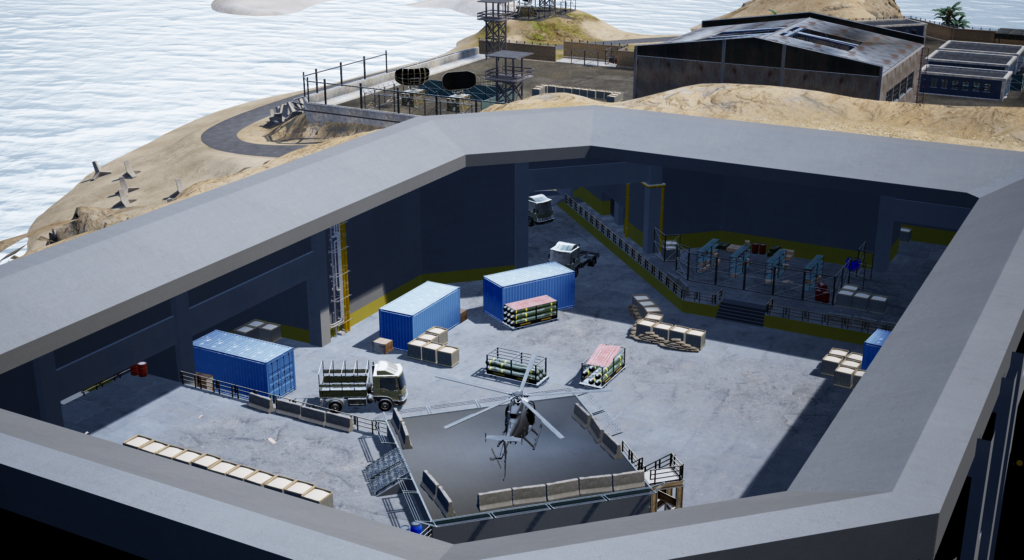
“CORPSE CLINIC”
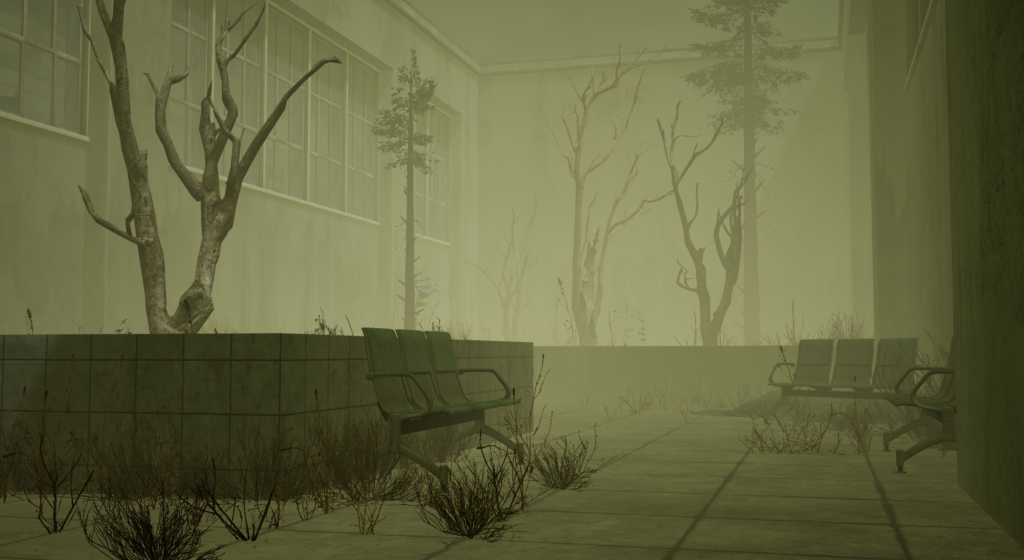
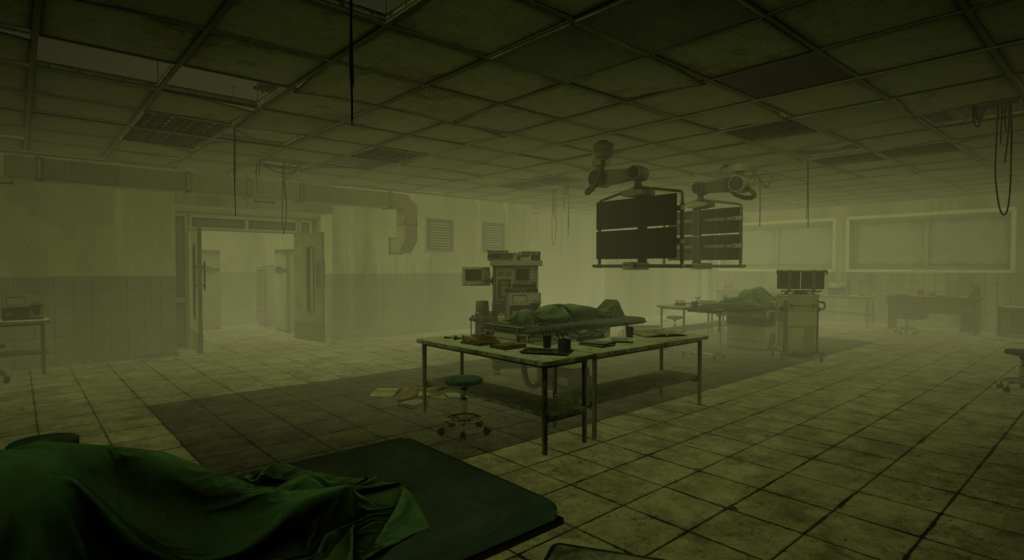
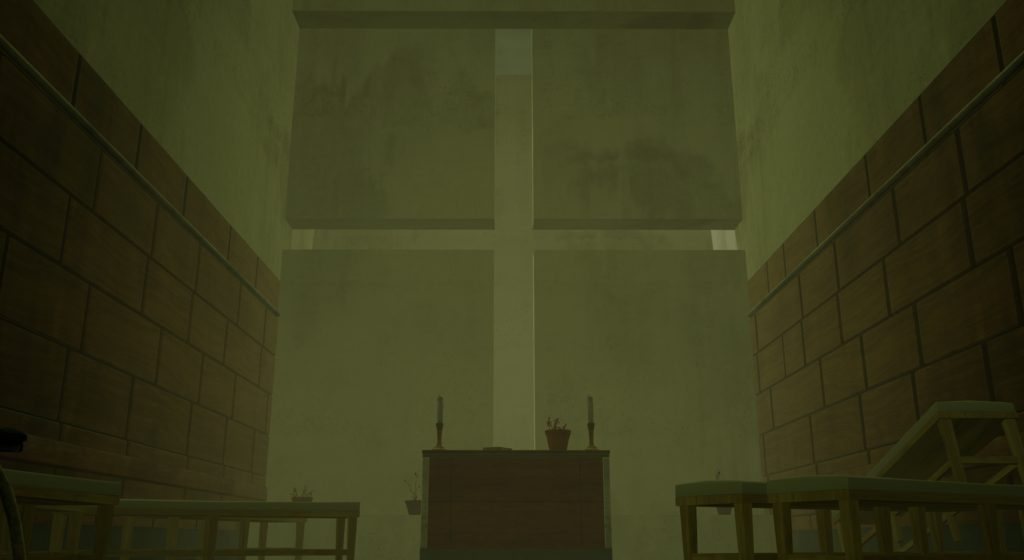
Corpse Clinic implements Beyond Sandbox’s zombie wave survival game mode. Players team up to survive successive waves of attacking zombies. They can purchase stronger weapons and unlock new sectors of the hospital as they advance towards the source of the infection outbreak: the underground Morgue.
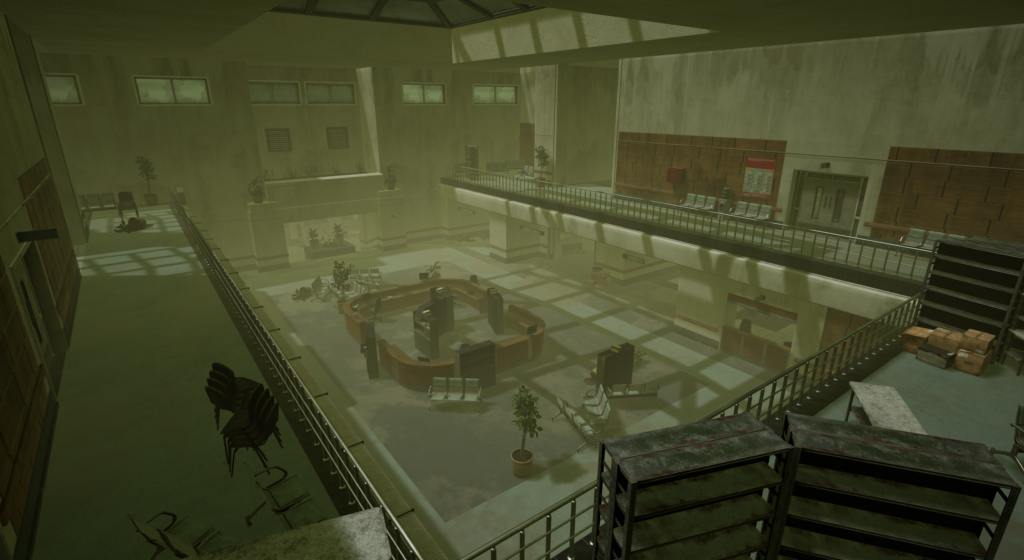
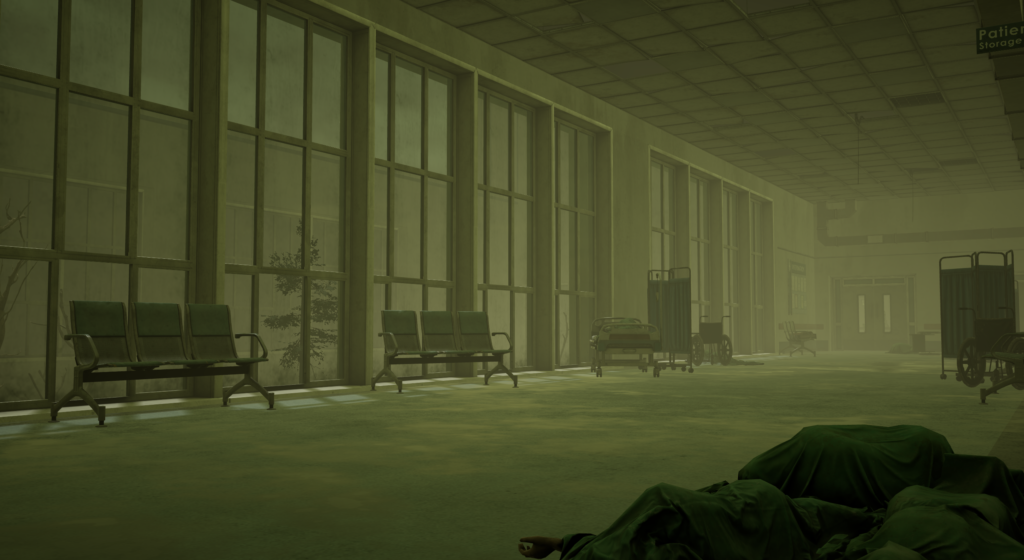
“BEYOND TOWN”
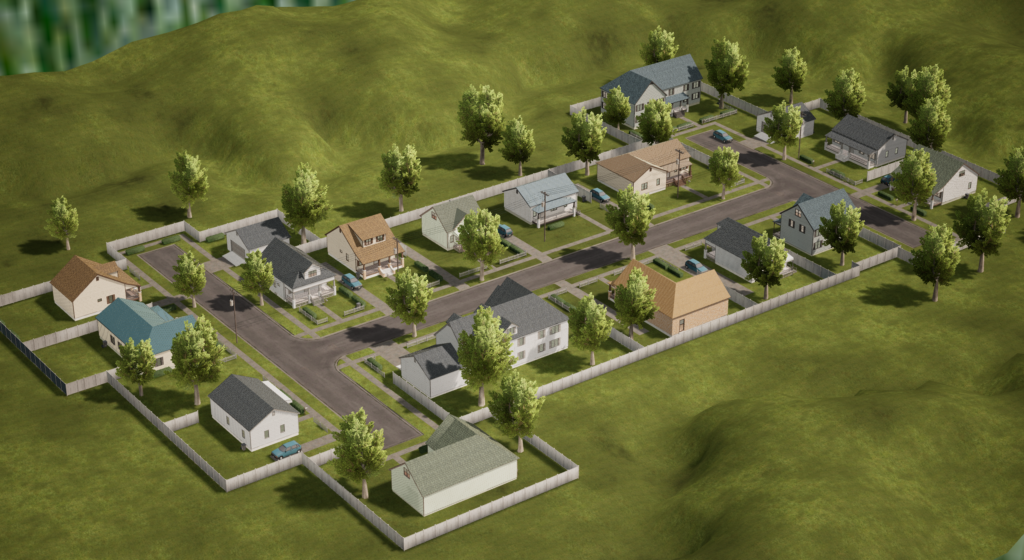
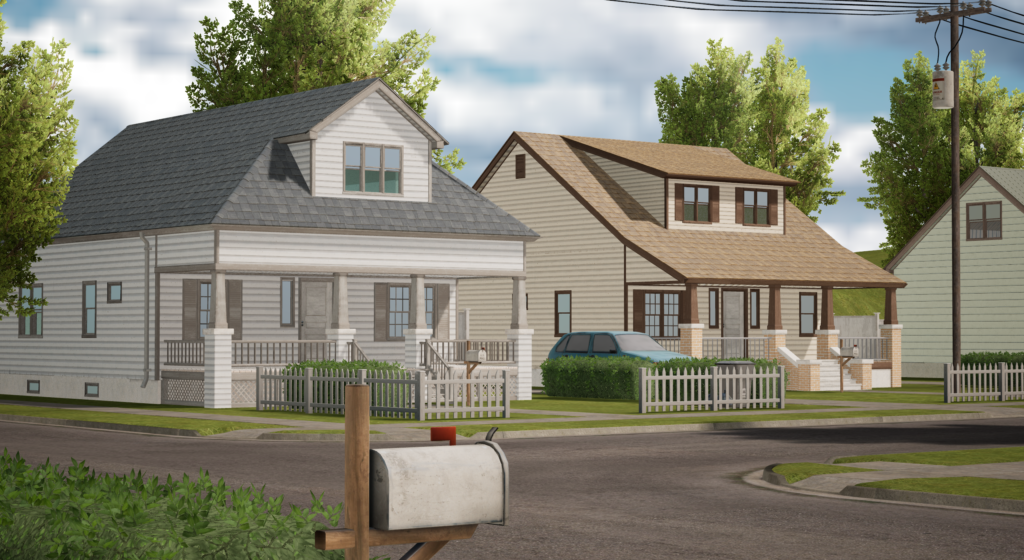
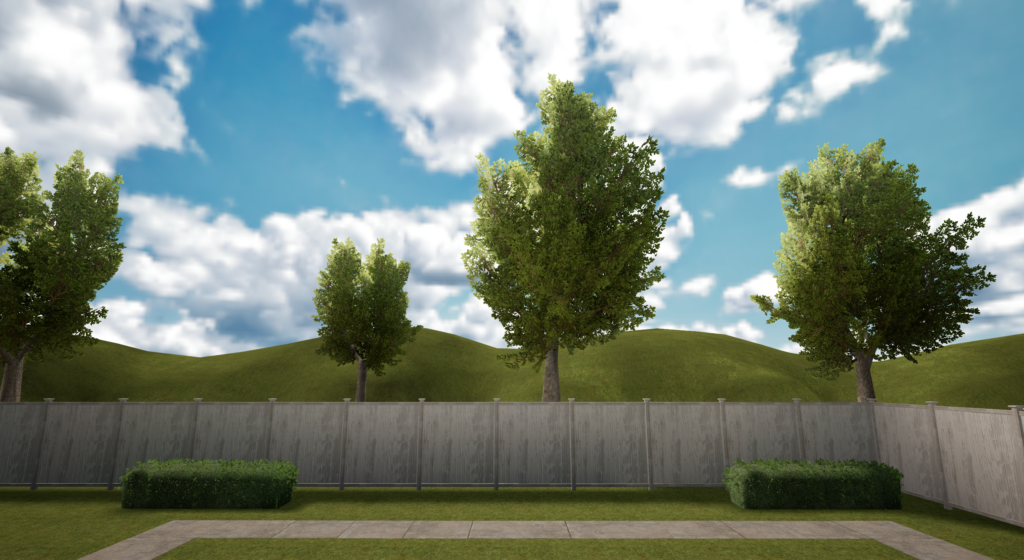
Beyond Town is a quaint suburban sandbox level which gives players the opportunity to explore, experiment, and roleplay. The base level was acquired as a non-VR asset pack. My role was to take this level and apply aggressive optimization techniques to bring it in alignment with our performance standards. This was an especially challenging task, given how many unique assets and props existed on the level. Additionally, unlike the other levels, there was no way to visually partition it since everything existed on a single open street.
Overall, my performance optimization techniques yielded extreme reductions from what was inherited in the original file.
5,000
->
100
max draw calls
8,000,000
->
700,000
max triangles
5.6 Gb
->
3.3 Gb
memory
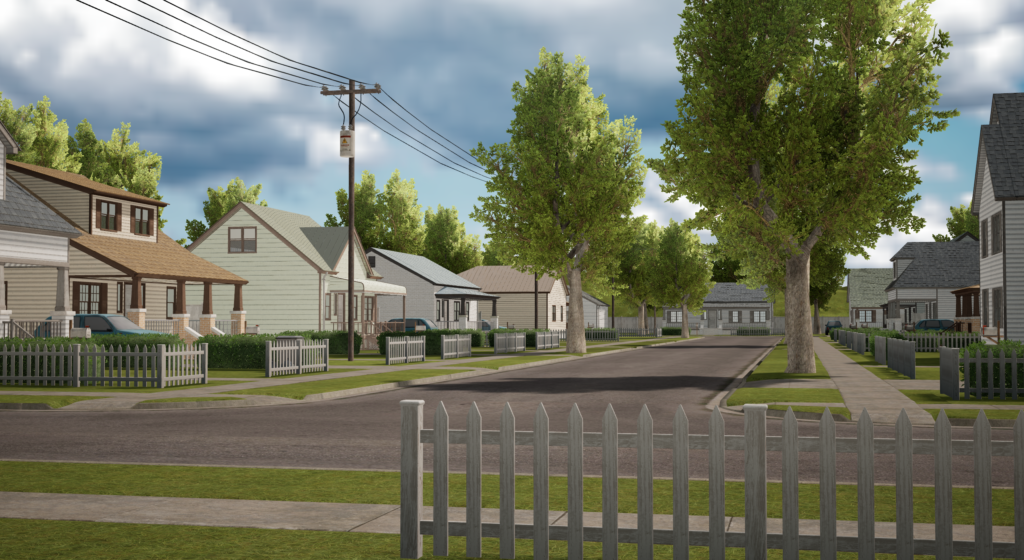
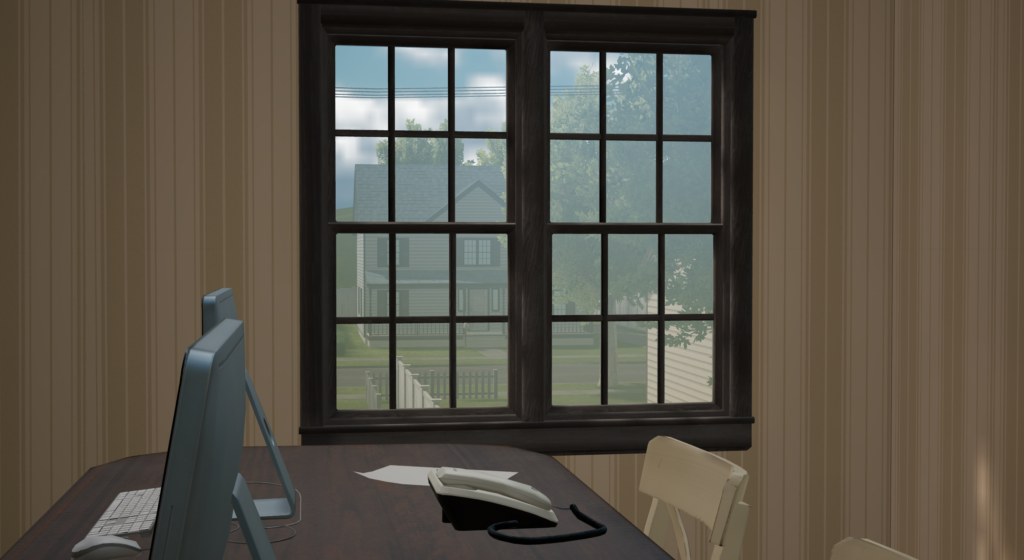
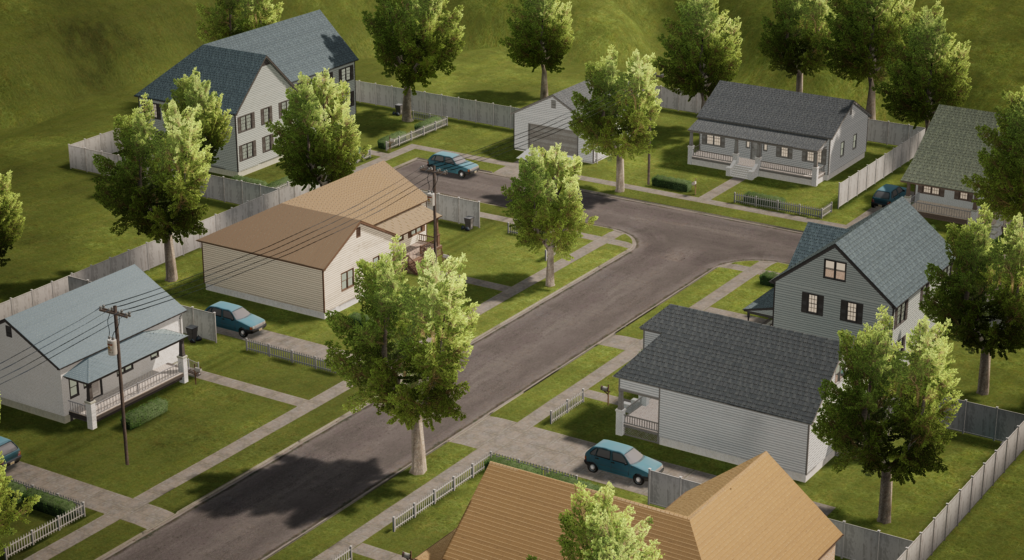
The town featured several multi-story buildings which also posed a problem for optimization. Players standing inside these buildings on a particular floor might still render props on a floor above or below; the standard object culling was not always working as intended in these situations. I created a custom blueprint culling actor which worked at the level of the local player only. This actor used volumes to track the floor on which a player was present, hiding all prop groups on the other floors, and saving dozens of extra draw calls.